

The Commercial Real Estate Space Paradox: Why Canada Could Have Too Much Space and Not Enough of the Right Space
Here’s something that confuses a lot of investors right now: national vacancy numbers suggest Canada has plenty of empty commercial real estate space. But talk to any tenant actually trying to lease a modern building, and they’ll tell you the opposite, good space is genuinely hard to find. Both things are true at the same time, and understanding why is one of the most useful things an investor over 35 can learn about today’s market.
Let’s break this paradox down in plain, simple language Commercial Real Estate Space
Also Read About This : The New Canadian CRE Investment Cycle: Why Institutional Capital Is Coming Back Now real estate investment
Quick Answer: Why Does Canada Have Too Much Space and Not Enough at the Same Time?
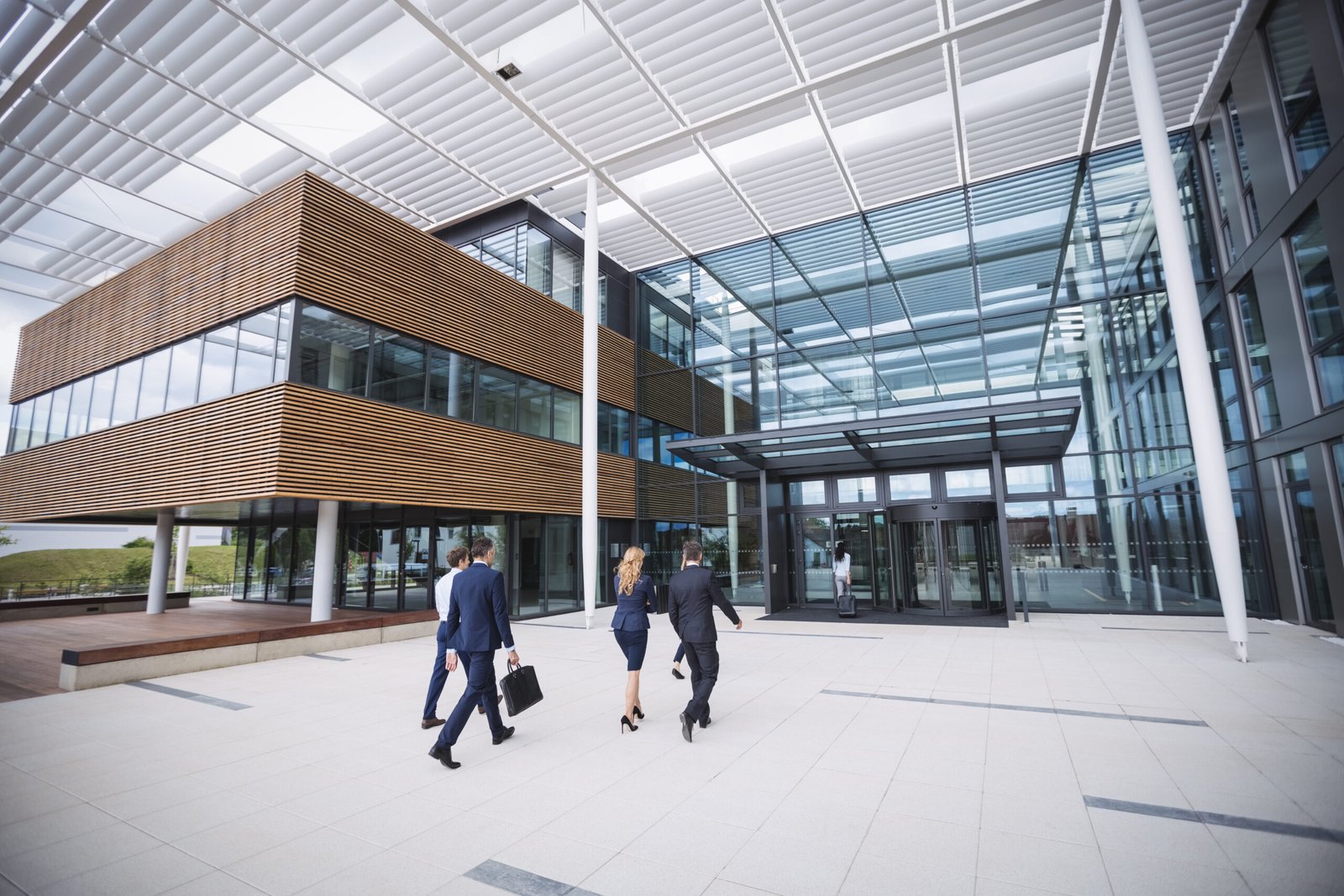
In short, the commercial real estate space Canada has too much of is old, outdated, and poorly located. The space it doesn’t have enough of is modern, amenity-rich, and well-connected to transit. Tenants aren’t just looking for square footage anymore, they’re chasing quality. That’s created a split market where top-tier buildings are practically full while older buildings sit empty Commercial Real Estate Space .
National office vacancy sat around 13.4% in the second quarter of 2026, but that number hides a massive gap. Trophy-class buildings in cities like Vancouver and Toronto have vacancy rates in the single digits, sometimes as low as 6% to 9%, while older Class B and C buildings are struggling badly, some sitting mostly empty with little hope of filling up without major renovations Commercial Real Estate Space.
1. The “Flight to Quality” Has Turned Into a “Fight for Quality”
For the past couple of years, the trend in commercial real estate has been described as a flight to quality, meaning tenants moving toward better buildings when their leases came up. In 2026, that trend has intensified into something closer to a genuine competition. In markets like Montreal, industry experts now describe it as tenants actively fighting over the best-connected, most amenity-rich, move-in-ready spaces, while older buildings are left to either renovate, discount heavily, or find a new use entirely Commercial Real Estate Space .
This isn’t just a Toronto or Vancouver story. Downtown Vancouver’s Class A office vacancy has fallen to around 8.6%, some of the tightest premium office conditions in North America. Tenants who want next-generation space in that market simply don’t have many options left Commercial Real Estate Space .
Simple takeaway: If you’re leasing or buying office space, understand that “available” doesn’t mean “desirable.” The best buildings are filling up fast, while lower-tier space sits stuck Commercial Real Estate Space .
2. Almost Nobody Is Building New Space, Which Is Making the Split Worse
You might expect strong demand for quality space to trigger a wave of new construction. It hasn’t, at least not yet. New office construction across Canada recently hit a 15-year low, with only about 37,500 square feet of new office space delivered nationally in an entire quarter, a tiny number for a country this size Commercial Real Estate Space .
This is happening for a few reasons: high borrowing costs, cautious lenders who remain skeptical of office projects specifically, and expensive construction costs overall. The result is a shrinking supply of new, modern buildings at exactly the moment tenants want them most.
Simple takeaway: With almost no new construction happening, the scarcity of top-tier space isn’t going away anytime soon. That scarcity is exactly what tends to push rents higher for quality buildings over time.
3. Older Buildings Are Being Removed From the Market, Not Fixed
One of the more interesting developments in 2026 is how much obsolete office space is being pulled out of circulation entirely, rather than sitting empty forever. A record amount of outdated building stock is being converted into other uses, like residential apartments, rather than staying on the market as unwanted office space.
This matters because it’s actually helping vacancy numbers improve. National office vacancy has now declined for four straight quarters, and experts describe this as a structural rightsizing of the market, not a temporary blip. As the worst buildings disappear from the office category altogether, the remaining supply of decent space becomes tighter and more competitive.
Simple takeaway: Some of today’s “too much space” problem is quietly solving itself, as the worst buildings get converted rather than sitting vacant indefinitely.
4. The Same Story Is Playing Out in Industrial Real Estate
This isn’t only an office story. Canada’s industrial sector is showing a similar pattern, just with tighter numbers overall. National industrial vacancy fell to around 3.3% in the second quarter of 2026, continuing a steady tightening trend. Toronto’s industrial market remained the tightest in the country, and markets like Calgary and Montreal posted strong positive absorption, meaning more space getting leased than added.
Interestingly, some tenants are choosing to renovate older industrial buildings rather than pay a steep premium, in some cases around 25%, for brand-new space. That’s creating fresh competition for older industrial stock too, showing that even in a tight market, quality and price still shape where demand lands.
Simple takeaway: Industrial real estate is tight almost everywhere, but even here, tenants are weighing quality against cost rather than automatically chasing the newest buildings.
5. This Split Market Rewards Very Specific Kinds of Investors
The commercial real estate space paradox creates two very different opportunities, depending on your strategy. Investors who own or can acquire modern, well-located, amenity-rich buildings are sitting in a genuinely strong position, with real pricing power and shrinking competition. Investors holding older, outdated buildings face a tougher decision: invest significant capital to modernize, sell at a discount, or explore conversion to a different use entirely.
Neither path is automatically wrong, but pretending an older building will simply fill up on its own, without any investment, is increasingly unrealistic in this market.
Simple takeaway: If you own aging commercial space, get a clear-eyed assessment of whether renovation or conversion makes more financial sense than waiting for demand to return on its own.
What This Means for You as an Investor
If you’re navigating Canada’s commercial real estate space market in 2026, here’s the simplest way to think about it:
- Leasing or buying office space? Focus on quality, location, and amenities. Older, undifferentiated space is facing real structural challenges.
- Own an aging building? Seriously evaluate renovation or conversion rather than assuming demand will eventually return unchanged.
- Considering industrial? Vacancy is tight nationally, but tenants are still comparing renovation costs against new-build premiums.
- Looking for opportunity? The scarcity of new construction means today’s modern, well-located buildings are likely to hold their pricing power for some time.
Frequently Asked Questions
Why does Canada have high office vacancy and a shortage of good space at the same time? National vacancy numbers combine both old and new buildings. Older, outdated buildings are struggling badly, while modern, well-located buildings are nearly full, creating a split market often described as a flight to quality.
Is new commercial real estate construction happening in Canada right now? Very little. New office construction recently hit a 15-year low nationally, largely due to high borrowing costs and cautious lending, which is keeping quality space scarce.
What’s happening to older, outdated office buildings in Canada? A significant amount of obsolete space is being converted to other uses, like residential housing, rather than sitting vacant, which is actually helping shrink national vacancy over time.
Is industrial real estate facing the same quality split as office space? Yes, though industrial vacancy overall is much tighter. Some tenants are choosing to renovate older industrial buildings rather than pay a steep premium for brand-new space.
